Where personal awareness meets systems change—reflections on leadership, growth, and real-world practice.
What Montgomery Asks of Me
A Reflection on Leadership, Power, and Social Change
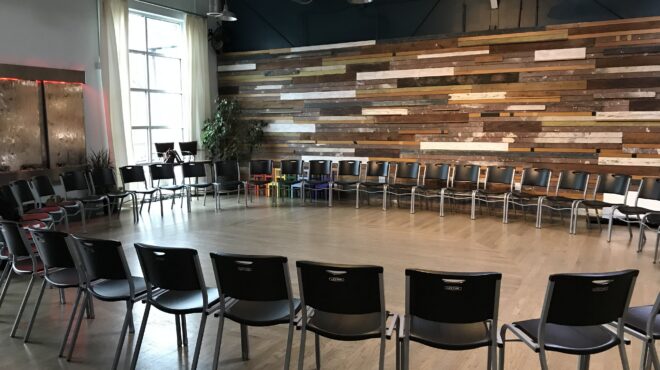
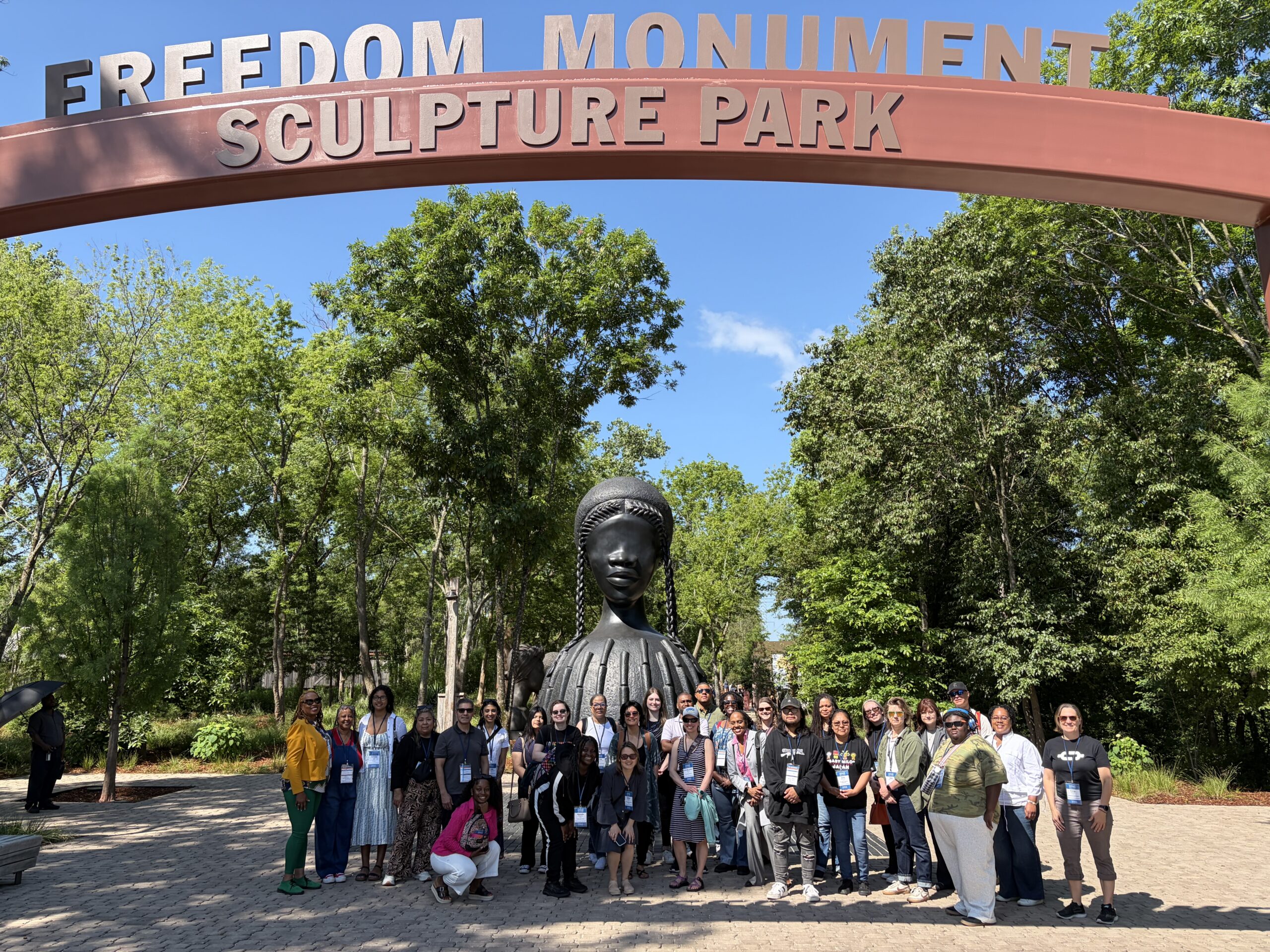
I’ve spent time in Montgomery, Alabama over the years facilitating learning journeys with social impact leaders at the Equal Justice Initiative Legacy Sites in partnership with the team at The Radical Optimist Collective. Most recently, we had the opportunity to hold space for leaders from the Aspen Institute. The Radical Optimist Collective has been guiding groups through these experiences since 2018, creating containers for reflection, dialogue, and learning at the intersection of justice, leadership, and social change.
People sometimes ask how this work has shaped my facilitation and leadership.
The simplest answer is that it has made me quieter. Not smaller. Not absent. Not less committed. Quieter in the sense that I pay more attention now. To power. To history. To where I speak from. To the impulse to interpret, explain, or move too quickly toward meaning.
Montgomery is a place that asks something different of you. The Equal Justice Initiative Legacy Sites, ask something different of you. The weight of history is not theoretical there. It is present. It lives in the ground, in the stories, in the architecture, and in the spaces between people as they move through the experience. As a facilitator, it has asked me to wrestle honestly with my own whiteness, with white supremacy culture, and with the stories and inheritances that travel with me.
It has also asked me to look at lineage. The people who came before me. The systems that shaped them. The systems that shaped me. Some of those stories are biological. Some are cultural. Some are inherited through the air we breathe and the institutions we move within.
My work now feels less like trying to separate myself from those histories and more like being in relationship with them. To understand what I carry. To notice what I perpetuate. To participate, in whatever ways I can, in the ongoing work of healing and repair. Not because I have arrived somewhere, but because the work continues.
It has asked me to stay in the work differently.
Montgomery has also asked something of me as a facilitator. To hold back the impulse to interpret too quickly. To not rush meaning. To trust that people are already in conversation with something much larger than me.
I have learned that holding space in a place like Montgomery is not neutral work, and it is not solitary work either. It requires preparation, self-awareness, humility, and a willingness to keep examining our own stories while making room for others to encounter theirs. I’m grateful to do that work in community with the team at The Radical Optimist Collective, whose care, courage, and commitment continue to shape these experiences and the people who move through them.
The work of justice and repair asks this of all of us. Not perfection. Presence.
-
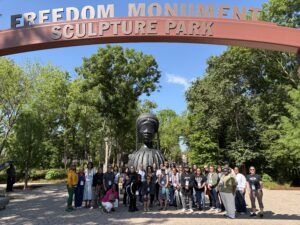
- Sculpture Park – EJI
-

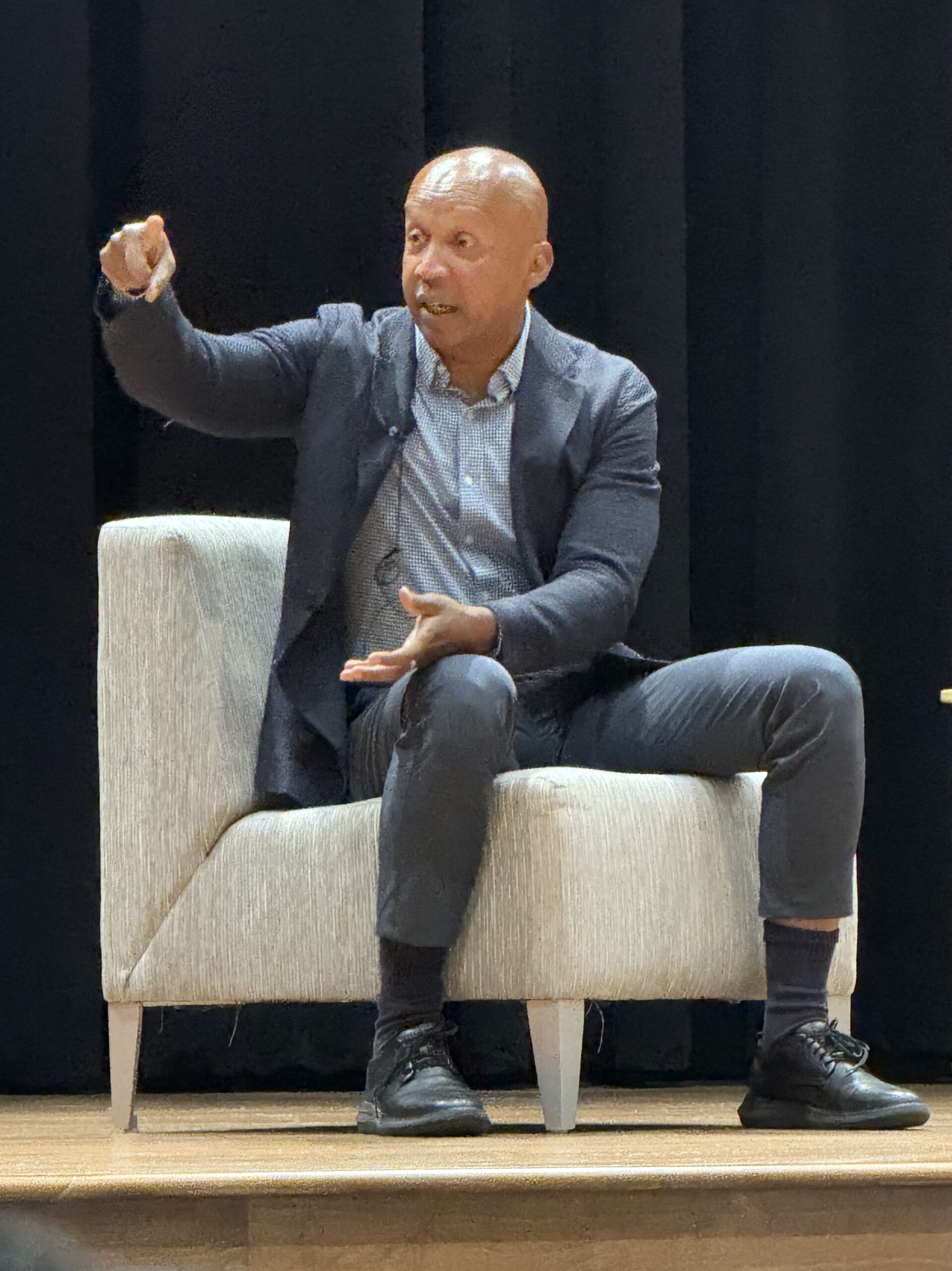
- Bryan Stevenson speaking at EJI May 2026
-
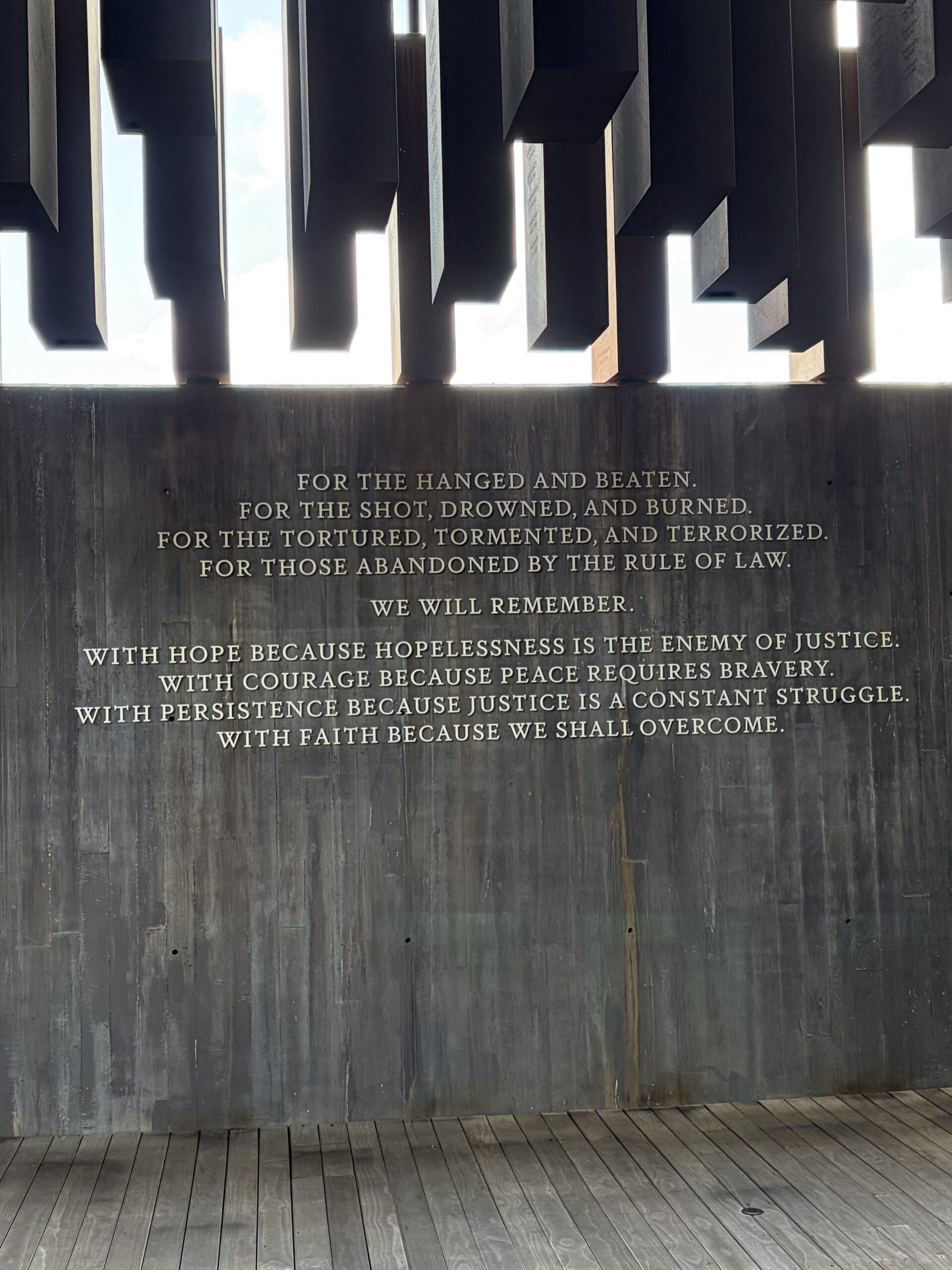
- EJI – Memorial for Peace and Justice
-
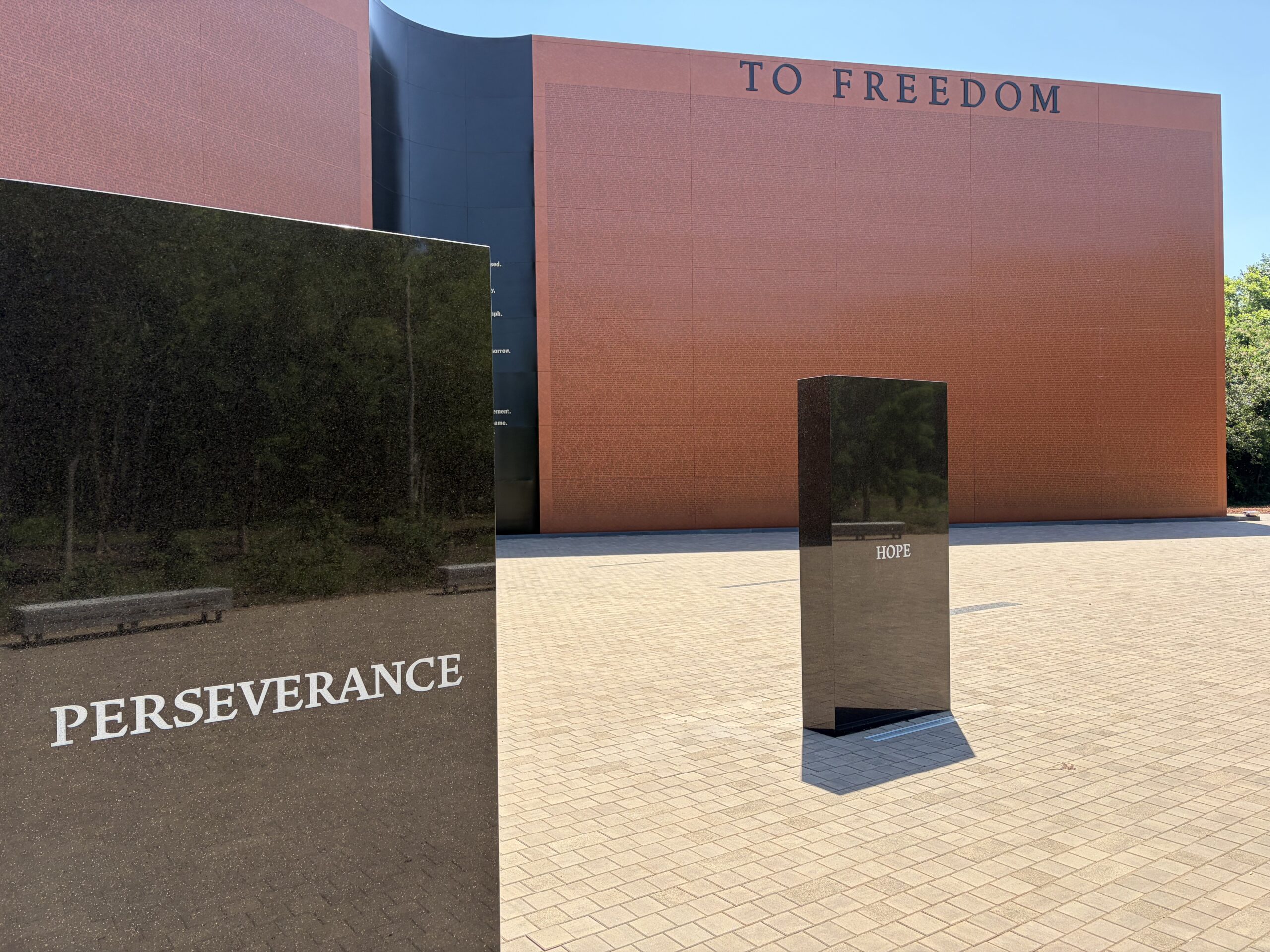
- Freedom Monument Sculpture Park
-
- The Radical Optimist “We Believe In Each Other”